How New and Used Car Loans Differ
When you finance a new car, lenders often offer lower interest rates because the vehicle’s value is easier to assess and depreciation is more predictable. Used cars, on the other hand, typically come with higher rates since the collateral is older and may have more unknowns.
Data from Experian for Q4 2025 shows average new car loans carried a 6.37% interest rate and an average loan amount of $43,582, yielding an average monthly payment of $767. Used car loans averaged 11.26% on an average loan amount of $27,528, with a typical monthly payment of $537. Those averages reflect current market conditions, but your actual rate and payment will depend on your credit score, income, lender, and the specific vehicle.
- New car loans: lower interest rate, larger loan amount, higher monthly payment.
- Used car loans: higher interest rate, smaller loan amount, lower monthly payment.
- Total cost comparison requires looking at more than the monthly payment.
Sources: Experian
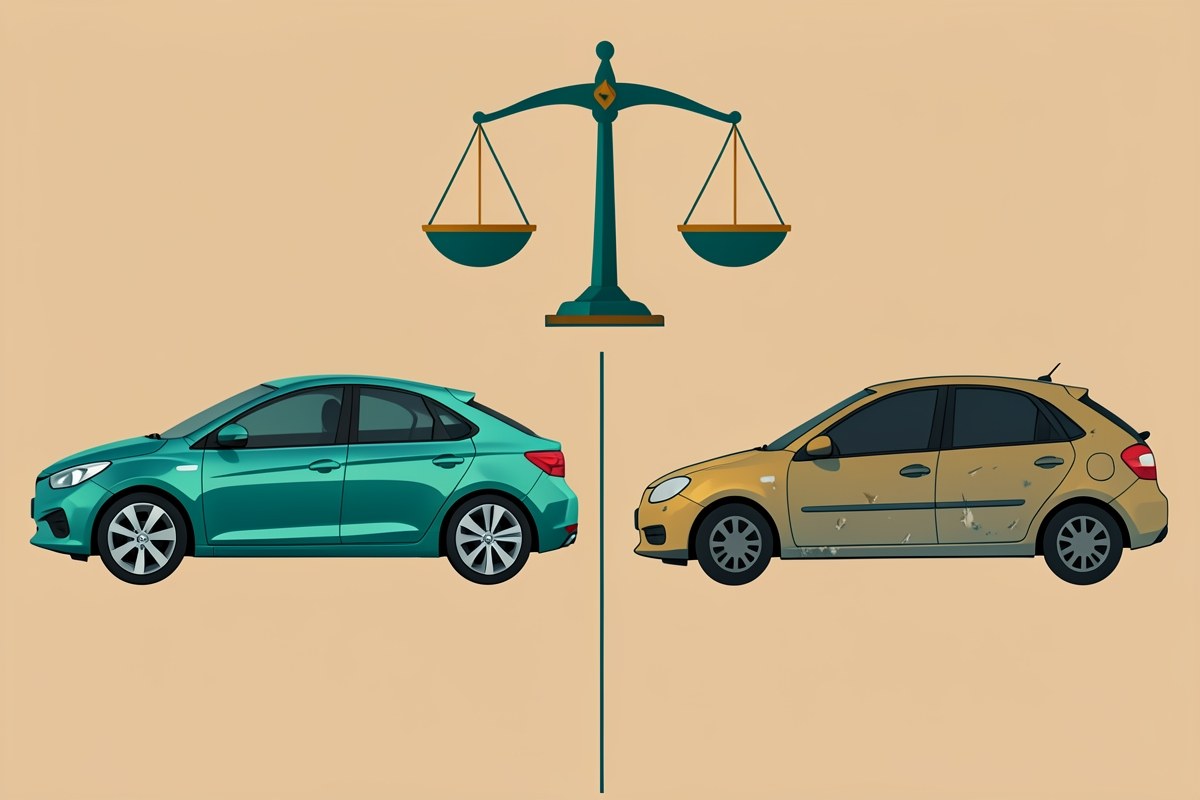
Interest Rate Differences
Lenders see new cars as less risky collateral because their value is easier to determine and they depreciate at a more predictable rate. That’s why new car loans generally come with lower interest rates than used car loans.
As of Q4 2025, the average new car rate was 6.37%, while the average used car rate was 11.26%. That’s a difference of nearly five percentage points, which can add thousands of dollars in interest over the life of a loan. However, these are market averages; individual lenders may offer different rates depending on your credit profile and the vehicle’s age and condition.
- New car rate: 6.37% (Q4 2025 average).
- Used car rate: 11.26% (Q4 2025 average).
- Used cars have higher rates due to depreciation and valuation risk.
Sources: Experian
Loan Term Availability and Its Impact
Loan terms are typically longer for new cars than for used cars. While exact maximums vary by lender, new car loans may extend to 72 or 84 months, whereas used car loans often have shorter caps. Shorter terms mean higher monthly payments but less total interest paid over the life of the loan.
The CFPB advises that longer terms reduce monthly payments but increase total interest paid, and they also increase the risk of owing more than the vehicle is worth. That risk is especially relevant when you combine high depreciation with a long loan term.
- New car loans often have longer terms, up to 72 or 84 months.
- Used car loan terms are generally shorter, but exact limits vary by lender.
- Longer terms lower monthly payments but increase overall interest and the chance of being “upside down.”
Sources: Consumer Financial Protection Bureau, Experian
Depreciation Impact
New cars experience their steepest value drop in the first year, typically around 20%. That means the moment you drive a new car off the lot, it loses a significant portion of its value. For a $43,000 loan, that depreciation can quickly make the loan balance exceed the vehicle’s market value if you finance with a longer term.
Used cars have already absorbed the initial depreciation, so their value declines more slowly. This can reduce the risk of being “upside down” on the loan, but it also means you’re financing a vehicle that will continue to age and may need repairs sooner.
- New cars: about 20% depreciation in the first year.
- Used cars: slower depreciation after the initial drop.
- New car buyers face higher early depreciation risk, especially with long loan terms.
- Used car buyers may have lower equity risk but potentially higher maintenance costs as the car ages.
Maintenance and Warranty Costs
New cars come with a full manufacturer warranty, typically at least 3 years or 36,000 miles bumper-to-bumper. This means fewer out-of-pocket repair costs in the early years of ownership. Used cars, unless they are certified pre-owned (CPO), generally have no warranty coverage, so you could face unexpected repair bills.
In addition to maintenance, insurance premiums are typically higher for new cars than for used cars of the same make and model. Combining insurance and maintenance costs helps give a fuller ownership picture beyond the loan payment itself.
- New: full manufacturer warranty (3 years/36,000 miles or more).
- Used: generally no warranty, unless CPO.
- New: lower maintenance costs early on.
- Used: higher risk of repair costs.
- Insurance is usually higher for new cars.
Sources: Consumer Financial Protection Bureau, Equifax, Experian
Total Cost Comparison: Example Scenarios
Using Q4 2025 averages, let’s compare the total interest paid on a typical new versus used car loan. The table below shows approximate scenarios based on the average monthly payments and loan amounts from the source data. Keep in mind these are averages; your actual figures will vary.
- Even with a lower rate, the new car loan has a higher monthly payment because the loan amount is larger.
- The used car loan saves $230 per month on average, despite the higher rate.
- Total cost over 60 months is higher for the new car in this example, due to the larger loan amount.
| New Car Loan | Used Car Loan | |
|---|---|---|
| Average loan amount | $43,582 | $27,528 |
| Average interest rate (APR) | 6.37% | 11.26% |
| Average monthly payment | $767 | $537 |
| Total cost of loan (average payment × typical 60-month term)* | $46,020 | $32,220 |
Sources: Experian
decision-criteria matrix
Consider your priorities: if you value the latest safety features, worry less about maintenance, and can afford a higher monthly payment, a new car may be worthwhile. If you prefer a lower payment and don’t mind potential repairs, a used car could save you money now, but you may face higher interest costs and maintenance later.
- New: lower rates, longer terms, higher payments, full warranty, less maintenance risk, but steeper depreciation.
- Used: higher rates, shorter terms, lower payments, no warranty (unless CPO), more maintenance risk, but slower depreciation.
- Always compare the total cost of the loan, not just the monthly payment.
| Criterion | New Car Loan | Used Car Loan |
|---|---|---|
| Interest rate (Q4 2025 average) | 6.37% | 11.26% |
| Loan amount (average) | $43,582 | $27,528 |
| Monthly payment (average) | $767 | $537 |
| Typical warranty | Full manufacturer warranty | Generally none (CPO may have some coverage) |
| Depreciation first year | 20% or more | Slower, initial drop already occurred |
| Maintenance costs early on | Lower | Higher risk of repairs |
| Insurance cost | Higher | Lower |
| Typical loan term | Often longer (72-84 mo.) | Generally shorter, varies by lender |
Sources: Consumer Financial Protection Bureau, Equifax, Experian
Decision Guide: Which Should You Choose?
There’s no one-size-fits-all answer. The best choice depends on your budget, driving habits, and long-term financial goals.
For a lower monthly payment and smaller loan amount, a used car loan is often more affordable upfront, but you’ll pay a higher interest rate and may face more maintenance costs. A new car gives you the latest features, a warranty, and lower initial repair costs, but comes with a larger loan and faster early depreciation.
The CFPB advises that when you compare loan offers, you should look at the total cost of the loan—including the finance charge—not just the monthly payment. Also, consider the risk of becoming “upside down” if you finance a new car with a long term, because depreciation may outpace your loan balance.
- If you can afford a higher monthly payment and want worry-free early ownership, a new car may be right.
- If you prefer a lower payment and can handle potential repairs, a used car could save you money each month.
- Factor in insurance, maintenance, and the total interest paid over the loan term.
- Certified pre-owned vehicles offer a middle ground: some warranty coverage at a lower price than new.
Sources: Consumer Financial Protection Bureau, Experian
Frequently asked questions
Do used car loans have higher interest rates?
Yes, used car loans typically have higher interest rates than new car loans. As of Q4 2025, the average used car rate was 11.26% compared to 6.37% for new cars. Lenders view used cars as riskier collateral due to uncertain value and depreciation.
Sources: ExperianCan I negotiate a lower interest rate on a used car loan?
Yes, you can negotiate loan terms, including the interest rate. The CFPB notes that you can negotiate not only the price of the car but also the loan terms, such as the APR, the length of the loan, and any add-ons. Shopping around and comparing offers from multiple lenders can help you secure a lower rate.
Sources: Consumer Financial Protection BureauWhat is the average loan term for a used car?
Used car loan terms are often shorter than new car terms on average, but exact lengths vary by lender. While some lenders may cap used car loans at 60 months, others may offer longer terms. Shorter terms mean higher monthly payments but less total interest paid.
Sources: ExperianWhich has a lower total cost: a new or used car loan?
It depends on your specific loan terms. In an example using Q4 2025 average loan amounts and monthly payments, the used car loan had a lower total cost over 60 months ($32,220 vs. $46,020) because the loan amount was much smaller, even though the used car loan carried a higher interest rate. However, a new car with a longer term and lower rate could be similar in total cost if you finance a cheaper new car. Always compare the total cost of the loan, including interest, rather than just the monthly payment.
Sources: Consumer Financial Protection Bureau, ExperianHow does depreciation affect a car loan?
Depreciation affects the risk of being “upside down” on a loan. New cars typically lose about 20% of their value in the first year, so if you finance a new car with a long term, your loan balance may exceed the car’s market value until you’ve paid down the principal. Used cars have already absorbed initial depreciation, so they lose value more slowly, reducing that risk. However, used cars may need more repairs as they age.
Sources: Consumer Financial Protection Bureau, Equifax, ExperianSources
- How do I compare auto loan offers? — Consumer Financial Protection Bureau
- Servicemembers, arm yourself with basic car buying skills—Should you buy a new or used car? — Consumer Financial Protection Bureau
- What things can I negotiate when shopping for a car or auto loan? — Consumer Financial Protection Bureau
- Comparing Auto Loans: New Car Loans vs Used Car Loans — Equifax
- Used Car vs. New Car: Which Should You Buy? — Experian